Best Keyword Research Tools for SEO in 2026
Summary
Google Keyword Planner is still the right free starting point. Semrush and Ahrefs are worth the cost once you’re managing client work or a serious content calendar. Ubersuggest fits solo creators and small budgets. AnswerThePublic is for idea generation, not technical SEO. But the bigger shift in 2026 isn’t which tool you pick; it’s that keyword research now has to account for search results that never get a click at all.
Search itself changed shape in the last two years. Picking a tool matters less than understanding what you’re optimizing for now. Here’s what each tool actually does well, what it costs in 2026, and where the old “just chase volume” advice stopped working.
Why Keyword Research Looks Different Now
SparkToro’s research, using Similarweb clickstream data, found that 68% of US Google searches ended without a single click in the first four months of 2026, up from about 60% in 2024. AI Overviews now show up on more than 20% of searches, and when they do, click-through rates on the organic results below them drop sharply.
That doesn’t make keyword research pointless. It changes what a “good” keyword looks like. A term that gets summarized directly in an AI Overview is worth less traffic-wise than a term where people still click through to compare options, read reviews, or check specifics. The tools below still find your keywords. What’s changed is that you now need to check search intent and SERP features before deciding a high-volume term is actually worth targeting.
The Top Keyword Research Tools for 2026
1. Google Keyword Planner
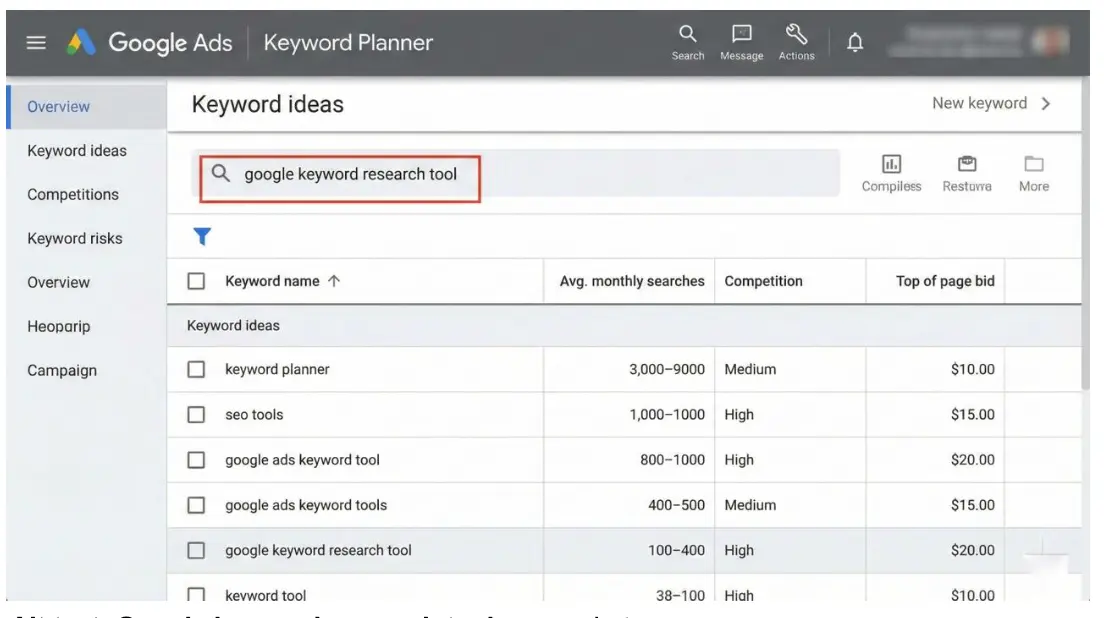
Cost: Free
Best for: beginners and anyone starting with zero budget
It’s still the most trustworthy free option because the data comes straight from Google, not a third-party estimate. It was built for running ads, so volumes come as ranges rather than exact numbers, but for learning how demand for a topic actually looks, it’s hard to beat for the price.
Pros: free, direct from Google, reliable for filtering by location and language
Cons: volume ranges instead of exact figures; leans toward ad-focused rather than organic-content use cases
2. Semrush
Cost: roughly ₹8,000–₹18,000/month.
Best for: agencies and anyone managing more than a couple of content calendars at once
Semrush’s Keyword Magic Tool groups terms by intent, not just by topic, which matters a lot more now that intent decides whether a keyword is worth chasing post-AI Overviews. The competitive gap analysis is genuinely useful for finding terms a competitor ranks for that you don’t.
Pros: intent-based grouping, strong competitor gap analysis, doubles as a broader SEO platform beyond keywords
Cons: the price only makes sense once you’re managing paid client work or multiple sites
3. Ahrefs
Cost: roughly ₹10,000–₹20,000/month
Best for: anyone who needs deep competitor and backlink context alongside keyword data
Ahrefs built its reputation on backlink data, and that shows in how its Keyword Explorer works. Click metrics show you how many searchers actually click through for a given term, which is now more useful than raw volume given how many searches end in an AI-generated answer.
Pros: click metrics separate real opportunity from inflated volume; strong SERP movement tracking
Cons: priced for professionals, not for someone testing the waters
4. Ubersuggest
Cost: roughly ₹900–₹2,500/month
Best for: freelancers, students, and small business owners on a tight budget
Ubersuggest (built by Neil Patel’s team) trades some depth for a much lower price point. It won’t match Semrush or Ahrefs on competitive data, but for someone just starting to build an SEO habit, it covers the basics without a steep learning curve.
Pros: affordable, simple interface, includes basic content ideas and site audit features
Cons: noticeably shallower data than the two tools above once you need real competitive depth
5. AnswerThePublic
Cost: roughly ₹1,000–₹6,000/month
Best for: content writers who need topic ideas, not technical keyword data
This one solves a different problem: not “how much volume does this term get” but “what are people actually asking.” Its visual clusters of questions and comparisons are genuinely good for planning blog topics or FAQ sections, which is worth more now that FAQ-style answers are exactly what AI Overviews tend to pull from.
Pros: strong for brainstorming and FAQ content, easy-to-read output
Cons: not built for technical SEO decisions like difficulty scoring or backlink analysis.
Which One Actually Fits Your Situation
Zero budget, just learning: Google Keyword Planner. Tight budget, building a portfolio or small business presence: Ubersuggest. Running client work or multiple content calendars: Semrush. Need deep competitor and backlink context: Ahrefs. Planning content topics, not chasing rankings directly: AnswerThePublic.
Most people outgrow one free tool before they need a paid one. Starting with Google Keyword Planner and moving to a paid tool once you’re managing real client budgets or competing in a crowded niche is still the sensible order to do this in.
Conclusion
Picking a tool is the easy part. The harder skill is reading intent correctly, knowing when a high-volume keyword is actually worth chasing versus one that just feeds an AI Overview with no click behind it, and that only comes with practice on real projects.
Digital Nest’s digital marketing courses include hands-on keyword research using these exact tools, Google Keyword Planner, Ubersuggest, Semrush, and Ahrefs, as part of live projects rather than just walkthroughs. If you want to build this skill properly instead of guessing your way through it, that’s a practical place to start.
FAQs
1. Which keyword research tool should beginners use?
2. Which tool gives the most accurate data?
Ahrefs and Semrush, particularly for click metrics and competitive gap analysis, which matter more now that raw search volume doesn’t tell the whole story.
3. Are free keyword research tools enough?
For learning the basics and testing early content ideas, yes. For competing in a crowded niche or managing client SEO, the paid tools’ competitor data becomes worth the cost.
5. What tool is best for content ideas?
AnswerThePublic, since it’s built around real questions people search rather than volume numbers.
6. Does keyword research still matter if AI Overviews answer the question directly?
Yes, but the target changes. Look for terms where people still click through to compare options or check specifics, not just terms with high raw volume.